Sydney Heating & Cooling logo Sydney Heating & Cooling

Sydney wide

Heating in Sydney

Reverse cycle heating sized against the coldest morning of the year, not the average one. Western Sydney runs 5.7 degrees colder overnight in July than the coast, and that is the number most systems are specified without.

  • 5.0 star rated on Google
  • Licensed & ARC certified

Free heating quote

Tell us the rooms you want warm. We reply same business day.

Your property

How Sydney heats

Reverse cycle is the heating system you already own

Almost every ducted and split system sold in Australia is reverse cycle, which means it heats as well as it cools. Instead of burning something or pushing current through an element, it runs the refrigeration cycle backwards and moves heat from the outside air into the house. There is usable heat in the air well below zero, which is why the same box that cools you in January warms you in July.

The efficiency difference is not marginal. A resistance heater turns one unit of electricity into one unit of heat and cannot do better. A reverse cycle system typically moves three to five units of heat per unit of electricity, because transporting heat costs far less than making it. That ratio falls as the outside temperature drops, which is the whole reason the next section matters.

Capacity falls exactly when you need it

A heat pump is rated at a nominal outdoor temperature. As it gets colder outside there is less heat available to move, so output drops and the system works harder to deliver it. On the coldest mornings a unit sized on its headline figure can be running flat out and still losing ground.

This is where Sydney stops being one climate. Camden Airport averages a July minimum of 3.2 degrees. Sydney Observatory Hill averages 8.9. That 5.7 degree gap sits inside a single metropolitan area, and a system specified from a generic Sydney figure is being designed for the warmer end of it.

July mean minimum temperature, Bureau of Meteorology 1991–2020 normals. Full data for all 105 suburbs.
StationJuly mean minSuburbs covered
Camden Airport 3.2°C Minto, Campbelltown, Leumeah +4
Richmond RAAF 3.6°C Rouse Hill
Badgerys Creek 4.1°C Denham Court, Leppington
Penrith Lakes 5.3°C Penrith
Bankstown Airport 5.4°C Holsworthy, Wattle Grove, Hammondville +34
Canterbury Racecourse 5.7°C Lidcombe, Strathfield, Burwood +3
Horsley Park Equestrian Centre 5.8°C Fairfield, Bonnyrigg, Edensor Park +6
Prospect Reservoir 6.1°C Blacktown, Seven Hills, Toongabbie
Parramatta North 6.3°C Parramatta, Merrylands, Granville +10
Terrey Hills 7.7°C Dee Why, Brookvale, Hornsby
Sydney Airport 8.6°C Alexandria, Mascot, Randwick +9
Sydney Observatory Hill 8.9°C Newtown, Balmain, Sydney CBD +8

What this changes about the install

Sizing is done against the design condition, not the average. For a home in the colder half of that table the heating load, rather than the cooling load, is often what sets the capacity, which is the opposite of the assumption most quotes are built on.

Zoning matters more in winter too. Heat rises, so a double-storey house on a single zone will overheat upstairs while the living room never gets there. Splitting the zones is cheap at design stage and expensive afterwards.

Outdoor unit siting is the third one. In cold, damp conditions the unit periodically runs a defrost cycle, and a condenser tucked into a sunless side passage with poor airflow will defrost more often and heat less. It is a five minute decision at quoting that changes how the system performs for its whole life.

Your Trusted Residential Experts

Licensed and ARC certified, installing across Greater Sydney. The same team quotes the job, installs it, and picks up the phone afterwards.

We have spent more than ten years installing air conditioning across Sydney, from single splits in inner-west terraces to fully zoned ducted systems in the south-west.

Every technician on the team is licensed and ARC qualified, so the refrigerant work, the electrical and the certification are all handled in house. No subcontractors turning up in an unmarked van.

Get a Free Quote

How we work

Our process, start to finish

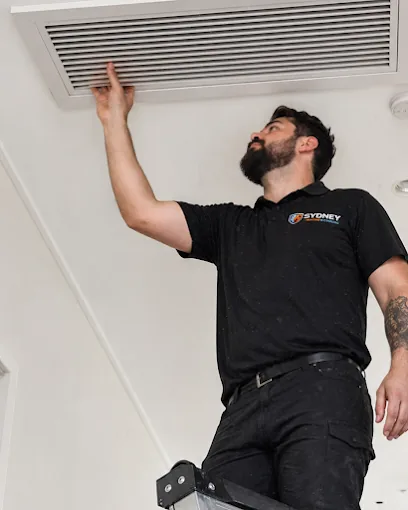
On-Site Sizing | Sydney Heating & Cooling

On-Site Sizing

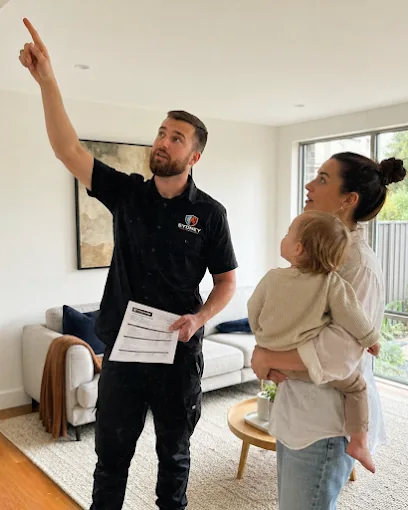
We measure before we quote. Room volume, window area, orientation and insulation all change the capacity you need, so a system sized from floor area alone is a guess. Getting this right is the difference between a unit that holds temperature on the hottest day and one that runs flat out and never quite gets there.

Fixed Written Price | Sydney Heating & Cooling

Fixed Written Price

You get the system, the work and the price in writing before anything starts, and that figure does not move. We check switchboard capacity and access at quoting rather than discovering them mid-install, because that is where surprise costs come from on most jobs.

Clean Installation | Sydney Heating & Cooling

Clean Installation

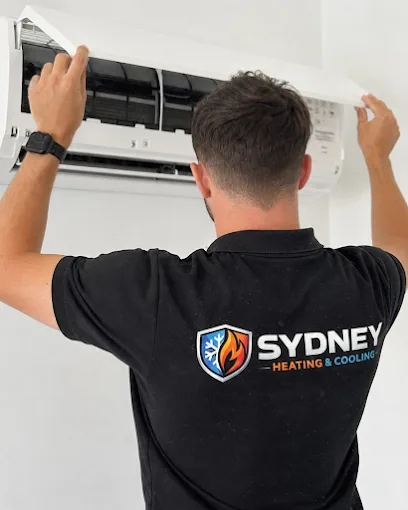
Tidy pipe runs planned to keep external work out of sight, condensate drainage done properly so it never discharges against the wall, and every system tested before we leave. Your place is left the way we found it, with no offcuts in the garden, no dust through the house.

Aftercare & Warranty | Sydney Heating & Cooling

Aftercare & Warranty

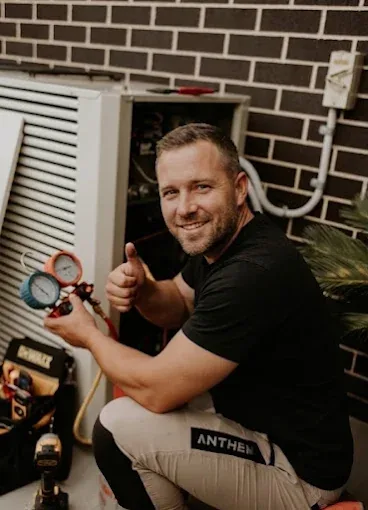
We register the manufacturer warranty on your behalf and schedule the first service so your cover stays intact. If something needs attention afterwards you call us directly, not a call centre. The same team that installed it is the team that comes back.

Common questions

Heating questions we get asked

Does reverse cycle air conditioning actually heat properly in a Sydney winter?

Yes, and it is what most of Sydney uses. A reverse cycle system runs the refrigeration cycle backwards, moving heat from outside into the house rather than generating it. Even at 3.2 degrees there is heat in the outside air to move. The important caveat is capacity: a heat pump produces less heat as the outdoor temperature falls, so the system has to be sized against a July morning rather than an average day.

Is reverse cycle cheaper to run than gas or electric heaters?

A column heater or electric panel converts one unit of electricity into one unit of heat. A reverse cycle system moves roughly three to five units of heat for every unit of electricity it draws, because it is transporting heat rather than creating it. That efficiency drops as it gets colder outside but stays well ahead of resistance heating. Against ducted gas the comparison depends on your gas and electricity rates, but the gap has narrowed considerably as gas prices have risen.

Do I need a separate heater if I already have ducted air conditioning?

Almost certainly not. Nearly every ducted and split system sold in Australia is reverse cycle, so it heats as well as cools. If your existing system struggles in winter the usual causes are undersizing, poor zoning or a system old enough that its heating capacity has degraded, rather than the technology itself.

What about ducted gas heating?

Ducted gas is still in plenty of Sydney homes and it heats quickly and strongly. Two things work against it now: it only heats, so you need a second system for summer, and new gas connections are being phased out in parts of NSW. When a gas unit reaches end of life most people replace it with reverse cycle and get cooling included.

Which parts of Sydney get cold enough to matter?

The inland suburbs, and by more than most people expect. Camden Airport averages a July minimum of 3.2 degrees against 8.9 on the coast, a 5.7 degree spread across one city. Sizing that ignores the difference produces a system that heats a Cronulla house comfortably and leaves a Camden house short on the coldest mornings.

Can you install heating only?

We can, but it rarely makes sense. A reverse cycle system costs much the same as a heating-only unit of similar capacity and gives you cooling for free. The only common exceptions are hydronic replacements and properties where the outdoor unit genuinely cannot be sited.

Free quote

Getting a heating quote

Tell us the rooms you want warm and we will size against your suburb's actual winter, not a city-wide average. No obligation, no pressure.